The overview below honours what oral histories recount: cramped beginnings, fearless organisation, and a landmark building that testified to Gravesend Muslims’ refusal to disappear into silence.
From Migration to Belonging
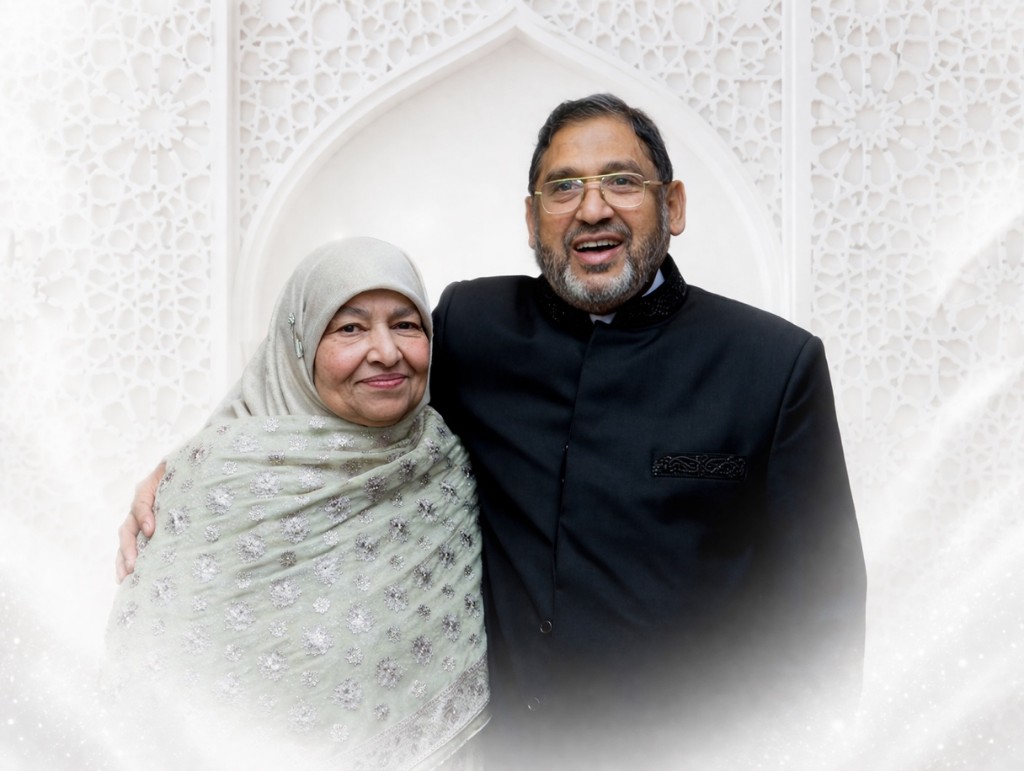
The story of (Late) Muhammad Aslam and Khurshid Bibi began in the 1960s, when they made the courageous decision to leave Pakistan and build a new life in the United Kingdom.
Like many first-generation immigrants of that era, they arrived with little material wealth, but with something far more valuable: faith, strong values, determination, and an unwavering commitment to family and community. They brought with them du’a, adab, honesty, and a tireless work ethic shaped by their upbringing.
Gravesend gradually became home. Friendships were formed, trust was earned, and their children learned how to embrace both their British identity and their Muslim faith without compromising either.
Why the Mosque Mattered
At a time before halal supermarkets, Islamic schools, or smartphone prayer apps, practising Islam in Britain required sacrifice and creativity.
Muslims often prayed at work in quiet corners, negotiated time away from factory shifts for Jumu’ah prayers, and taught their children Qur’an and Islamic values in living rooms after long working days. Eid prayers were sometimes held in borrowed school halls or temporary spaces.
Everything felt temporary — until the community began working towards something permanent: a mosque that would become a true centre for worship, learning, and belonging.
From Small Association to Lasting Legacy
In 1970, the establishment of the Gravesend & Dartford Muslim Association gave the growing Muslim community an organised and respected voice.
It allowed the community to formally raise funds, record decisions, and engage with local authorities as permanent members of British society. Volunteers dedicated countless hours making phone calls, organising fundraising events, printing newsletters, and supporting elderly members of the community who could no longer easily leave their homes but still contributed whatever they could towards the dream of a mosque.
What began as a small local effort slowly became a movement built on sincerity, sacrifice, and shared purpose.
The Purchase of the Albion Arms
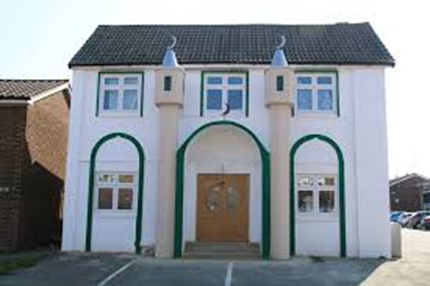
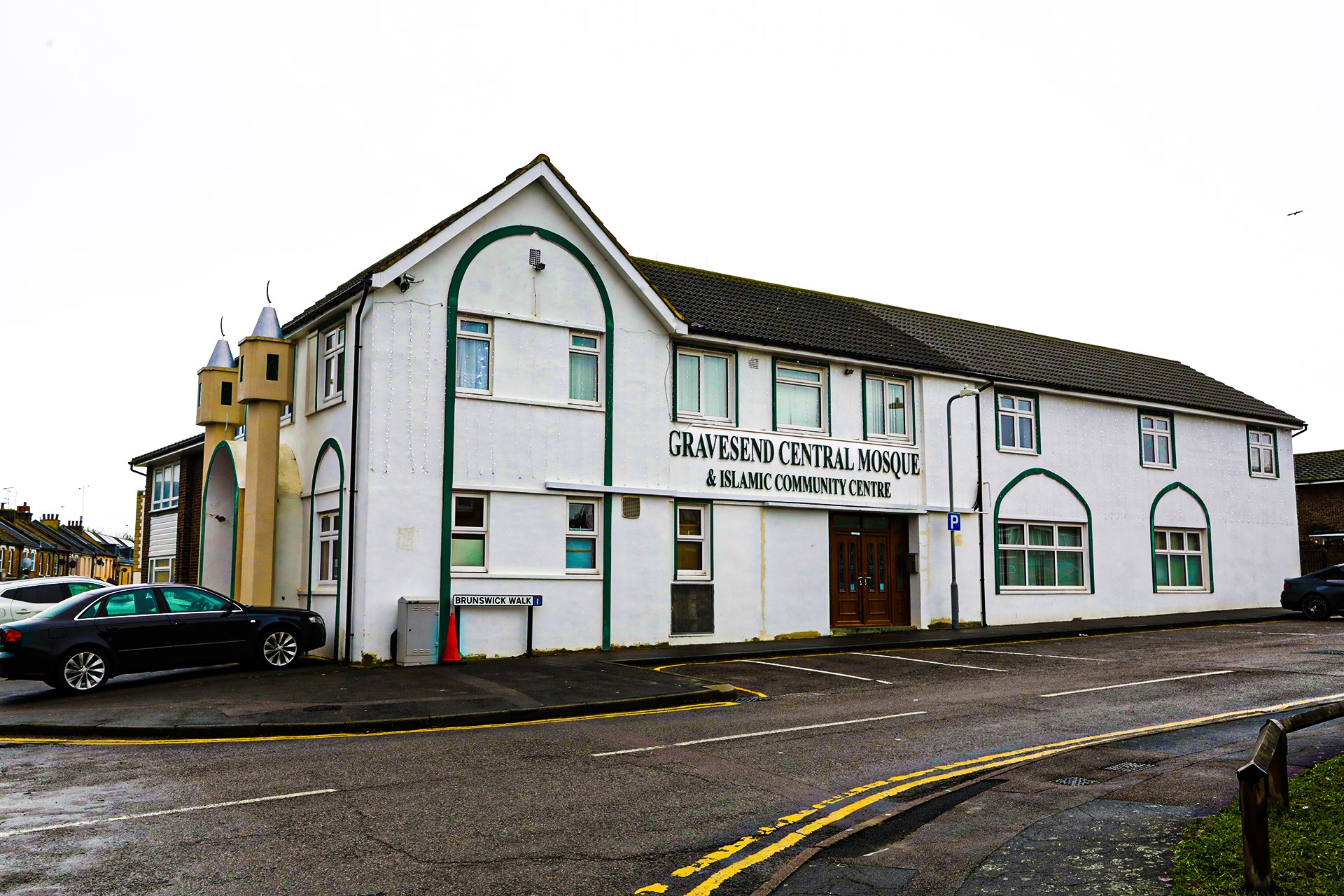
The purchase of the Albion Arms in 1992 marked a defining moment in the community’s history.
For many, it represented the fulfilment of a dream that had existed for over two decades. Transforming a former public house into a mosque required immense effort, patience, and determination. Renovations were extensive, planning permissions had to be secured, and the building itself had to be reshaped into a place worthy of worship.
Everyone played a part.
Architects, builders, electricians, fundraisers, volunteers, mothers preparing food for events, and elders carefully guarding donation buckets all contributed to what would eventually become Gravesend Central Mosque.
Today, that same mosque overflows with worshippers during Ramadan and stands as a lasting symbol of faith, perseverance, and community spirit.
A Partnership Built on Faith
(Late) Muhammad Aslam and Khurshid Bibi embodied a partnership rooted in faith, gratitude, and service to others.
While (Late) Muhammad Aslam became known publicly for his leadership within the mosque and wider community, Khurshid Bibi’s influence was equally profound behind the scenes. She nurtured her children with Islamic values, cared for family and neighbours, and opened her home to anyone in need of comfort, advice, or a warm meal.
Together, they showed that true success is measured not only by personal achievement, but by the lives uplifted along the way.
Sacrifice Beyond Financial Success
Their sacrifices extended far beyond financial hardship.
They gave up comfort, leisure, and rest so their children could benefit from both education and faith. Whatever savings they had were often redirected towards the mosque, struggling relatives abroad, or members of the local community facing difficulty.
Their wealth was never measured by possessions, but by the trust, respect, and barakah they earned through sincerity and generosity.